Excel Worked Fine… Until It Didn’t
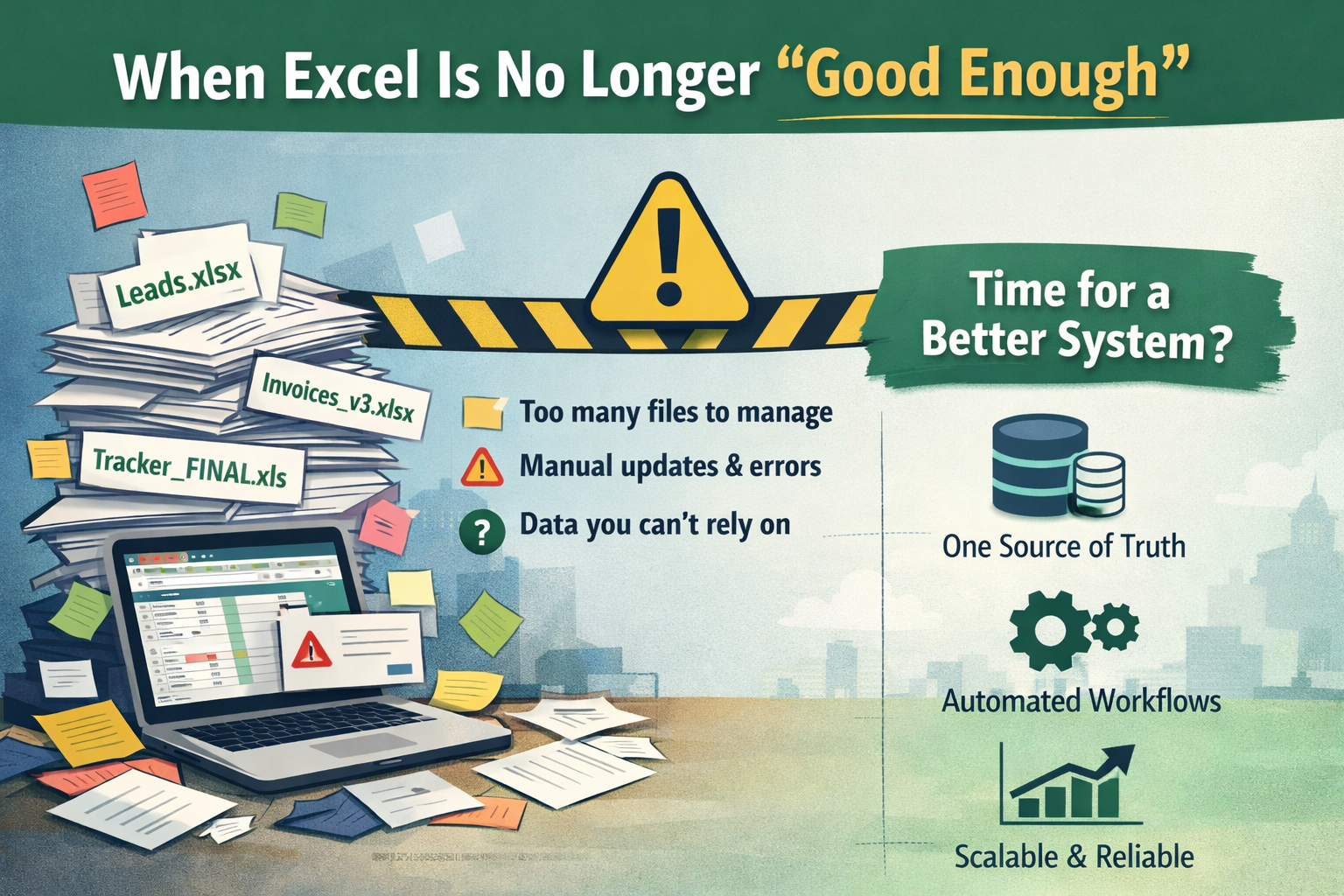
When Excel Is No Longer “Good Enough”
Almost every business we speak to starts the same way.
They didn’t plan to rely on spreadsheets. They just grew into them.
One Excel file became two. Then five. Then a shared folder that everyone uses slightly differently. At first, it’s fine. Things still get done. But slowly, work starts taking longer than it should.
People spend more time checking numbers than using them. Reports need “cleaning up”. You double-check figures before meetings because you’re not fully confident in them.
Nothing is broken — but nothing feels solid either.
The Problem Isn’t Excel
Excel is a powerful tool. That’s not the issue.
The problem starts when spreadsheets are asked to do jobs they were never meant to do. Acting as a CRM. Running workflows. Tracking approvals. Holding operational data for multiple teams at once.
That’s when things get messy.
You see:
-
Multiple versions of the same file
-
Manual copying and pasting between sheets
-
Updates that rely on one or two people “remembering” to do them
-
Data that exists, but isn’t trusted
Over time, the spreadsheet becomes a bottleneck instead of a help.
What We Usually See in Growing SMEs
This pattern comes up again and again.
The business is doing well. The team is growing. There’s more work, more customers, more responsibility. But the systems haven’t changed since the early days.
So people work around the gaps. They add more spreadsheets. They build workarounds. They accept that some things “just take time”.
That’s often the point when someone says, “There must be a better way than this.”
That’s usually when we first speak to them at Web Alliance Limited.
A Practical Comparison
Here’s a very simple way to think about it.
Spreadsheet-led setup
-
Fast to start
-
Familiar to everyone
-
Relies heavily on manual effort
-
Hard to scale cleanly
-
Easy for mistakes to slip through
Bespoke system
-
Takes more thought at the beginning
-
Built around real processes
-
One place for accurate data
-
Grows as the business grows
-
Reduces repeated manual work
Neither option is “right” or “wrong”. It depends on the stage your business is at.
How We Approach It
We don’t believe in ripping everything out and starting again.
Most of the time, the smartest move is to start small. One problem. One system. One clear improvement.
That might be a simple CRM. Or a workflow tool. Or a way to bring scattered data into one place so people can finally trust it.
From there, things get easier. Not overnight — but steadily.
Clients see designs early. They’re involved throughout. They know what’s being built and why. And yes, we put real accountability into our contracts, including penalties if timelines slip.
That matters more than people realise.
A Sign of Growth, Not Failure
Outgrowing Excel doesn’t mean something went wrong.
It usually means the business did something right.
Excel helped you get here. But if it’s now slowing decisions, creating confusion, or eating up time, it’s probably not the right foundation anymore.
And that’s okay.
Final Thought
If your team feels like they’re managing spreadsheets instead of running the business, it might be time to rethink the systems underneath — not the people using them.
There is another way to work. One that feels calmer, clearer, and far less fragile.
FAQs
Q. Why does Excel stop being effective as a business grows?
Q. How do you know if your business has outgrown Excel?
Q. Can Excel be connected with other business tools?
Q. What other tools can be used instead of Excel for business data?
Q. When is it a good time to move from Excel to custom software solutions for business?
Related Blogs
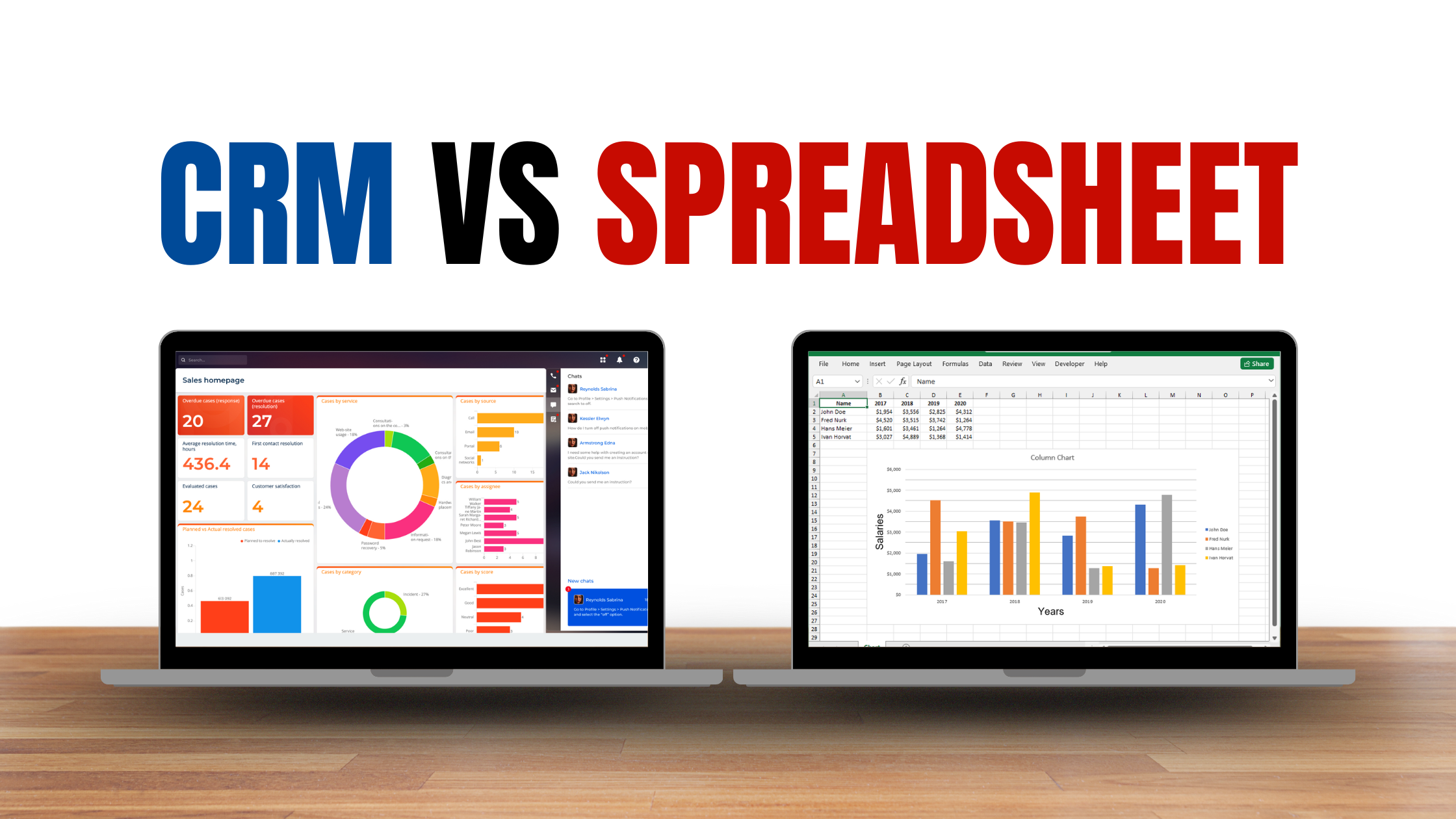
Bespoke System vs Excel Choosing the Right Tool for the Job
If you’ve been in business for a while, you’ve …
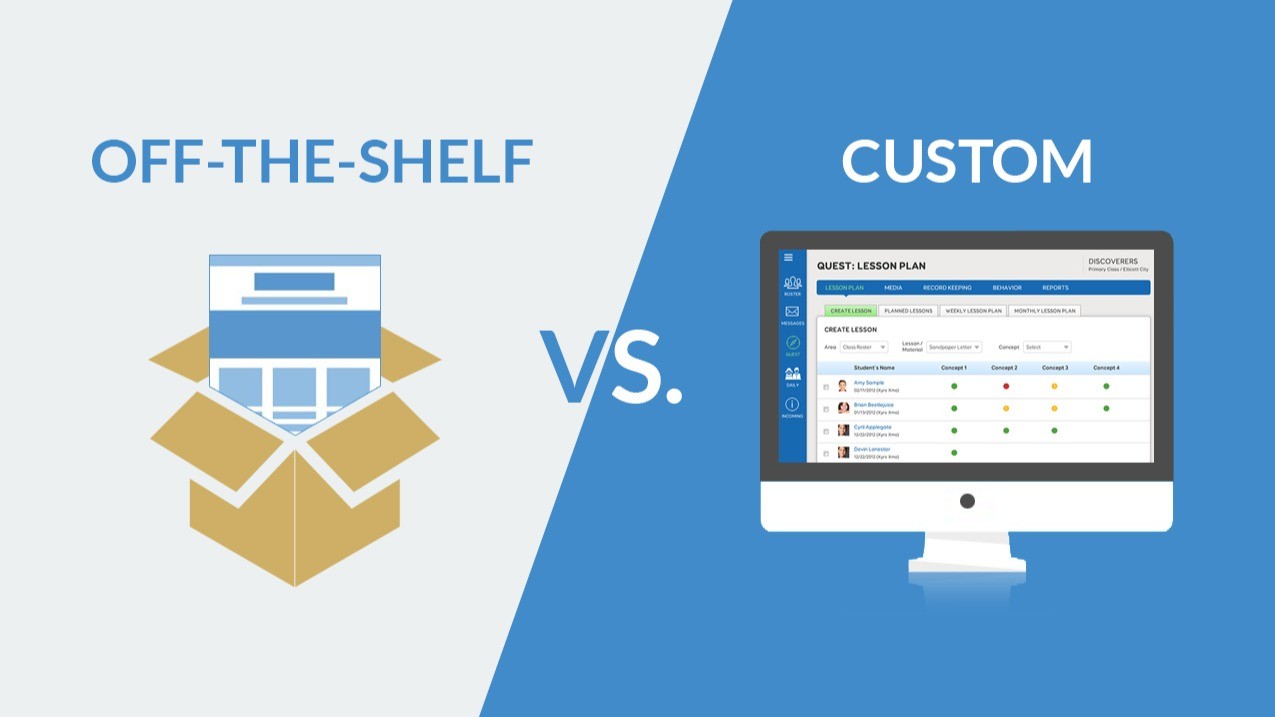
How much does it cost to hire custom software developers in 2024
Getting custom software is an increasing trend in all …